
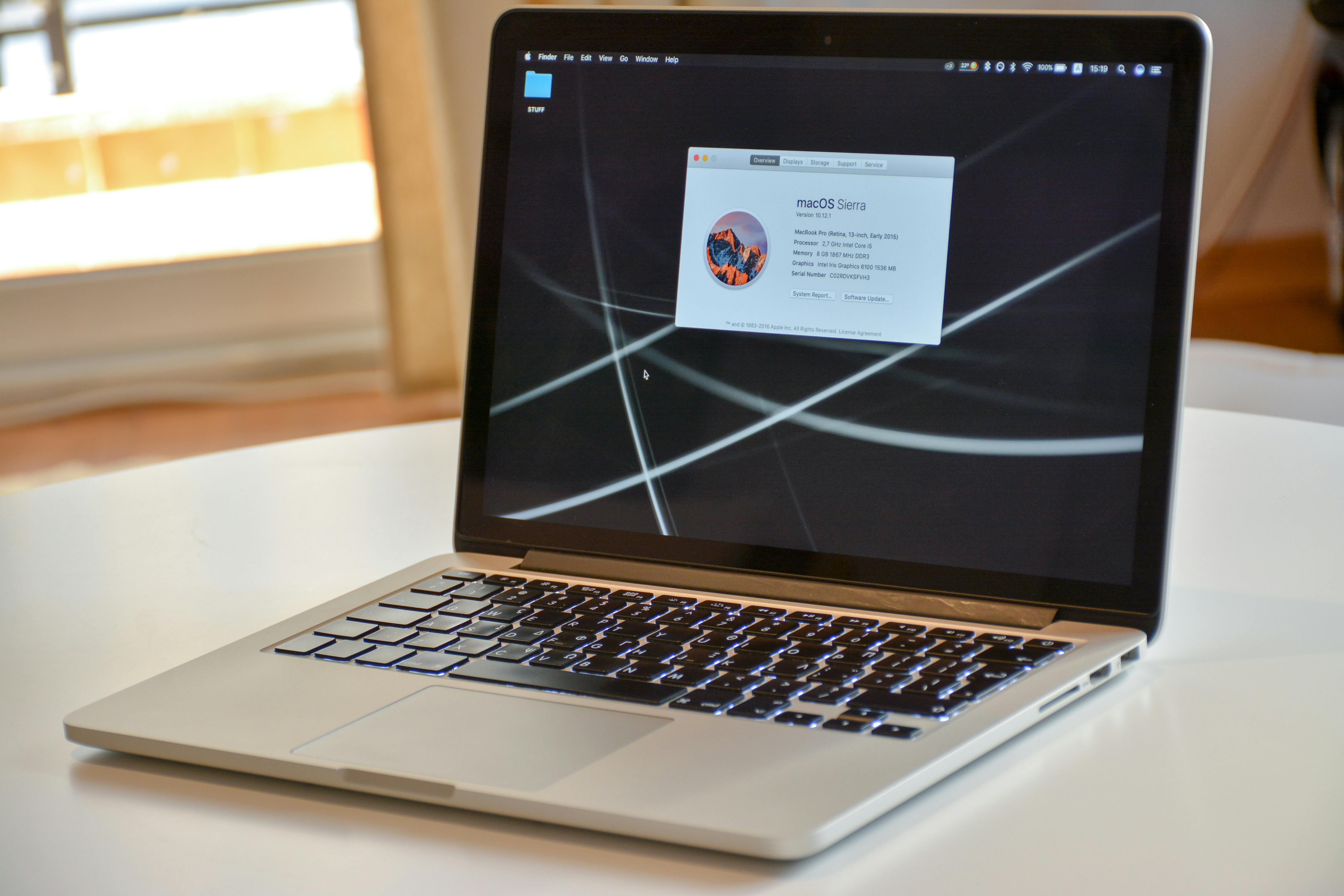
In compliance with the EU’s Digital Markets Act, Microsoft has updated Windows 10 and 11 so that users in the European Economic Area (EEA) will no longer receive nag screens urging them to make Edge their default browser—unless they actually open Edge. The change, effective with Edge version 137.0.3296.52 (rolled out May 29, 2025), also allows EEA users to uninstall the Microsoft Store without losing app updates. Additionally, links opened via Widgets, Lock Screen, or the Bing app now respect the user’s chosen default browser.

Google has announced that YouTube Premium Lite, the lower-cost subscription tier, will start showing additional ads—even to paying users. While Lite previously had limited commercial-free access, it now includes ads in Shorts and music videos. This move affects subscribers in countries such as the U.S., U.K., Canada, Germany, Brazil, Mexico, Argentina, Australia, and Thailand. It appears to be a strategy aimed at nudging users toward the full Premium tier (~$13.99/month), as Lite users now pay ~$7.99.

As the Windows 10 end-of-support date (October 14, 2025) approaches, the KDE community is inviting users to embrace Linux instead of discarding still-functional hardware. KDE highlights its Plasma desktop interface, which feels familiar to Windows users, and promotes the “End of 10 Project” to help people migrate easily. This not only extends device lifecycles but also addresses environmental concerns by reducing e‑waste.

Together, these developments reflect a broader shift in tech: regulators shaping user choice, businesses pushing monetization even in paid tiers, and open-source communities promoting sustainability. In Europe, Microsoft offers more freedom and transparency; Google’s Lite tier prioritizes revenue over experience; and KDE counters obsolescence with a compelling, eco-friendly Linux alternative. Each story speaks to power dynamics—between users and platforms, regulation and business strategy, and legacy systems versus sustainable tech futures.