
DuckDuckGo Adds New Filter to Block AI-Generated Images in Search
The tech world buzzed with excitement on July 19, as several groundbreaking announcements dropped from OpenAI, Microsoft, and Google. The spotlight was on OpenAI’s reveal of an agentic AI system — a major evolution beyond traditional chatbots. Unlike static prompt-response systems, this new model can take actions, make decisions, and operate more independently in real-world tasks. This could change how we interact with AI in productivity, automation, and even daily life.

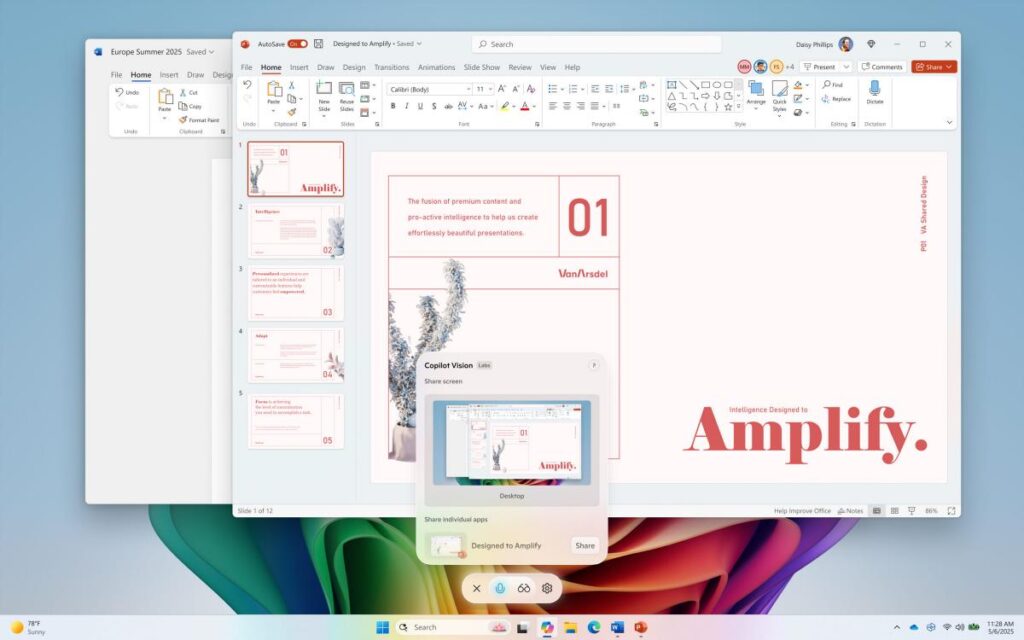
Meanwhile, Microsoft is pushing forward with Copilot Vision, a powerful new update to its AI assistant for Windows. Users can expect Copilot to process visual inputs — such as screenshots or live camera feeds — and perform contextual actions. This could range from identifying UI elements in a screenshot to suggesting improvements in documents or presentations. The rollout is expected later this year as part of a wider Windows 11 update.
DuckDuckGo Rolls Out AI Image Filter for Cleaner Search Results
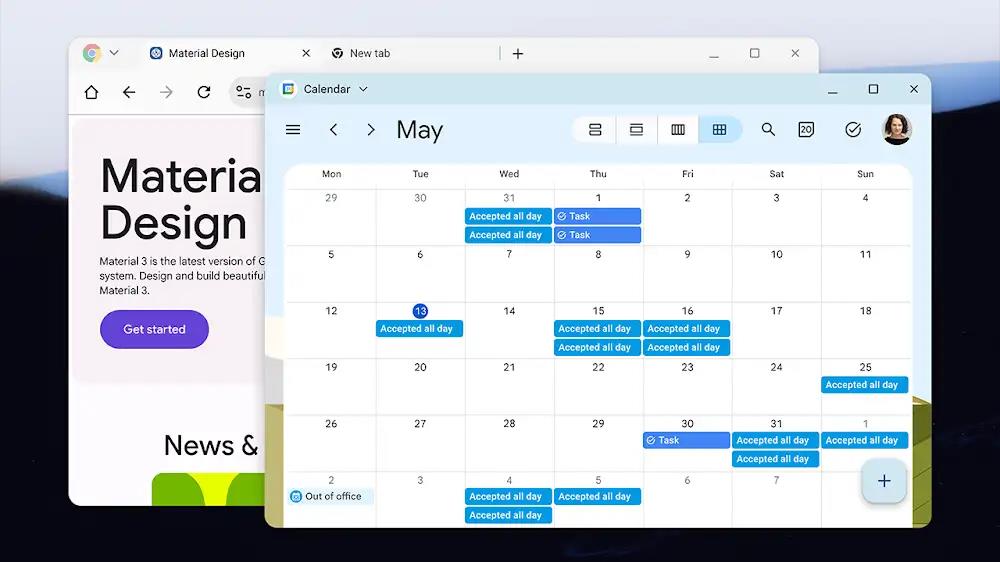
On the Google front, a massive structural shift is underway: ChromeOS and Android are beginning to merge. While both platforms will continue to exist, under-the-hood integration is accelerating. Google is aiming to unify app ecosystems, settings, and even UI behaviors. Developers are already seeing hints of this merger in preview builds, which feature shared design languages and cross-platform APIs.
These updates reflect a broader industry trend: the blurring of boundaries between software, AI, and device platforms. As OpenAI’s models grow more autonomous, Microsoft’s Copilot becomes more perceptive, and Google’s operating systems fuse together, the future of tech looks deeply interconnected — and increasingly intelligent.
That’s a wrap on July 19’s biggest tech headlines!
With every major player stepping up their AI and platform game, the second half of 2025 is shaping up to be full of innovation and surprise. Stay tuned for more updates as these stories evolve.